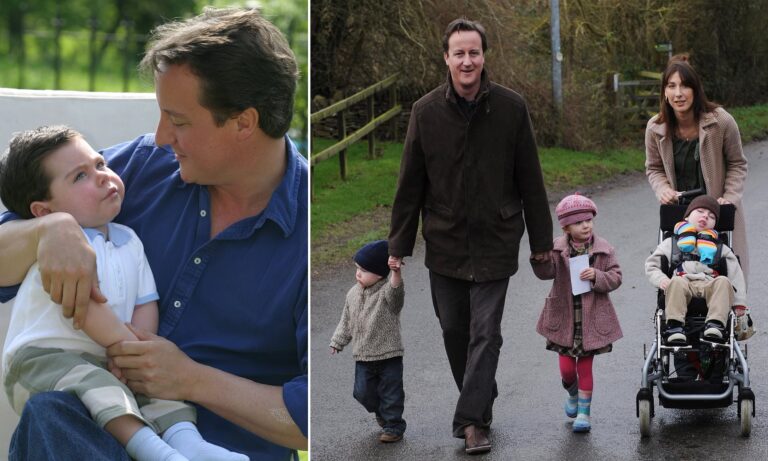
Boris Johnson children 2025 news centers on the former Prime Minister’s continued family expansion into his sixties, with recent arrival of a fourth child with his current wife generating renewed attention to his complex family structure and longstanding refusal to confirm total offspring count. The timing of family expansion relative to political career trajectory, the economics of large blended family maintenance, and the strategic deployment of family imagery for reputation management all factor into how this narrative unfolds.
This coverage explores how political figures manage family privacy boundaries while maintaining public personas, the reputational risks of ambiguous biological paternity acknowledgment, and how family expansion timing intersects with political capital preservation.
Family Expansion Timing And Post-Political Career Positioning
The newest arrival came roughly two years after Johnson left office, continuing a pattern of family expansion that spanned his tenure as Prime Minister and extended into his post-political phase. This timing creates distance between active political scrutiny and family growth, though his continued public presence maintains media interest in family developments.
The strategic dimension involves managing family news during periods of variable public attention. Active political careers generate intense scrutiny of family decisions, while post-career periods allow for more selective disclosure and reduced pressure to justify personal choices in political context.
What I’ve learned from watching political family dynamics is that family expansion after leaving office generates softer coverage focused on personal happiness rather than questions about leadership capacity or attention allocation. The narrative shifts from political impact to human interest.
Ambiguous Paternity Acknowledgment As Persistent Reputational Liability
Johnson has consistently refused to confirm his total number of children despite public evidence of multiple offspring across different relationships. This ambiguity creates ongoing speculation cycles and frames him as evasive on basic biographical facts, generating persistent credibility questions.
The stated rationale involves protecting children’s privacy and avoiding treating them as political props, though critics note that selective acknowledgment of some children while refusing to confirm others creates its own form of differential treatment.
From a practical standpoint, the ambiguity strategy backfires by keeping the question alive indefinitely. Each family announcement triggers renewed media focus on total offspring count and past relationship complexity, ensuring the issue remains part of his public narrative rather than resolving into historical background.
Social Media Deployment For Controlled Family Narrative Construction
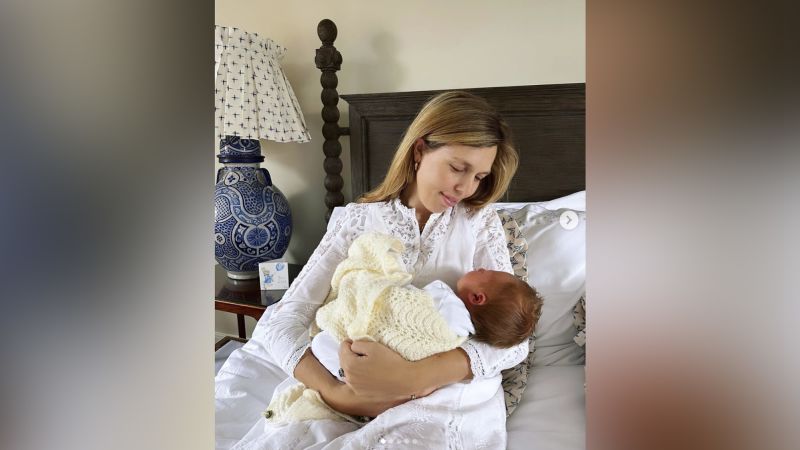
Johnson’s current wife manages family announcements through personal Instagram with carefully curated imagery and emotional messaging that frames family expansion in universally positive terms. This platform choice allows for immediate public sharing while maintaining control over visual framing and narrative tone.
The economics of this approach involve trading privacy for controlled positive coverage. By proactively sharing family news on preferred terms, the family preempts paparazzi photography and speculative reporting while generating goodwill through accessible personal storytelling.
Here’s what actually works in political family communication. Direct-to-audience platforms allow politicians to maintain public connection while controlling the frame, avoiding journalist mediation that might introduce critical angles or uncomfortable questions about family complexity.
Large Blended Family Economics And Wealth Signal Transmission
Maintaining multiple households with children across different relationships requires substantial ongoing financial resources for housing, education, and support. Johnson’s family structure signals significant personal wealth even as he transitioned from salaried political roles to private sector earning.
The public dimension involves implicit statements about economic capacity through family size decisions. Large families in contemporary Western contexts correlate with either significant wealth or specific religious/cultural commitments, and Johnson’s situation clearly signals the former.
The bottom line is that family expansion decisions function as wealth signals whether intended or not. Each additional child represents a long-term financial commitment that communicates capacity to absorb those costs without material lifestyle compromise for existing family members.
Name Selection Patterns And Heritage Versus Novelty Balancing
The newest daughter carries both traditional family names and distinctive choices that avoid direct repetition of previous children’s names. This balancing act reflects the challenge of maintaining family heritage signaling across multiple children while preserving individual identity through name uniqueness.
Political families face particular pressure around naming decisions because names signal values, heritage priorities, and family mythology to public audiences. Johnson’s naming patterns across his children show mixture of classical references, family honor acknowledgments, and occasional whimsy.
What the data tells us about political family naming is that patterns reveal priorities and self-conception. The consistent use of multiple middle names creates opportunities for layered heritage acknowledgment while maintaining distinctive first names that differentiate siblings and preserve individual identity frameworks.