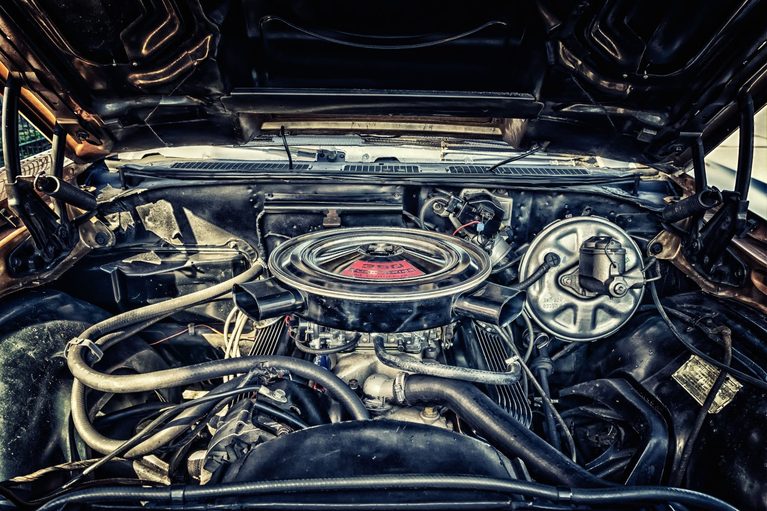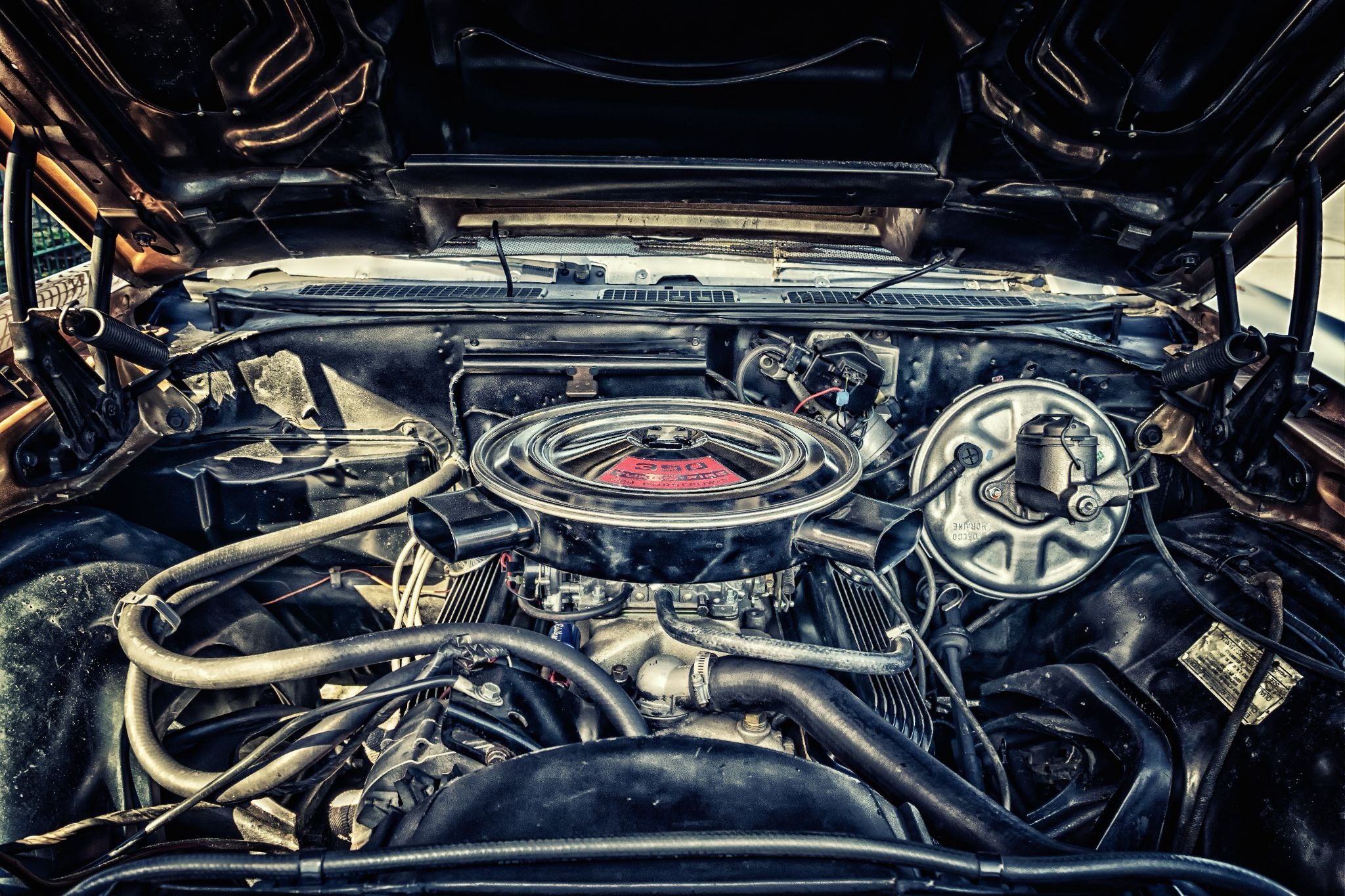
Carburetors were once used in engines before fuel injection took over in modern vehicles. A carburetor needs a mix of fuel and air in the right proportion so that the engine keeps running smoothly.
It usually contains many components, including valves, passages, and moving components. This is why dirt, wear, and incorrect adjustments can impact their operation.
If you have an older vehicle with a carbureted engine, here are some common problems you might face and how to solve them.
Engine Is Difficult to Start
When the carbureted engine does not have proper fuel-to-air mixture, it can take several attempts to start. A dirty carburetor also restricts fuel flow through its small passages. Similarly, an incorrectly adjusted choke can make the mixture either too rich or too lean during startup.
To prevent this problem, you need to check fuel delivery. Make sure there is no clogged fuel filter or weak fuel pump that can restrict the flow of fuel to the carburetor.
Rough Idling and Stalling
An engine is supposed to maintain a steady idle once it’s warmed up. However, if it shakes, fluctuates in speed, or stalls repeatedly, the reason may be a faulty carburetor that is not delivering the correct fuel-air mixture.
Another reason may be vacuum leaks. Damaged gaskets or cracked hoses also allow unmetered air to enter the engine and interfere with the mixture. You need to clean the idle passages and check whether air is escaping. If performance carb accessories changes are needed, make sure they comply with your carburetor’s specifications.
Poor Acceleration
Hesitation usually happens when the carburetor is not providing additional fuel an engine needs under acceleration. The reason can be a restricted passage, dirty accelerator pump, or inadequate fuel supply.
These symptoms are also common with ignition problems. Therefore, it is important to get a diagnosis first rather than assume the carburetor is the culprit. Moreover, check spark plugs and ignition timing for poor acceleration.
Excessive Fuel Consumption
If your carbureted engine suddenly starts using too much fuel, it means the mixture is too rich (the amount of fuel exceeds the amount of air entering the engine). Incorrect float level, damaged components, or a faulty choke can be behind this issue.
If you continue to drive in these conditions, you may waste fuel and experience other engine problems. This is why you should address the underlying cause immediately.
Fuel Leaks Around the Carburetor
Fuel leaks around the carburetor should never be ignored. It can be due to a loose connection, a damaged gasket, or a faulty fuel line.
Gasoline is highly flammable. So, if you notice significant fuel leaks, it is best not to drive until the cause is fixed. Wiping the fuel alone will not solve the underlying problem.
Keeping the Carburetor in Good Condition
You can avoid the majority of carburetor problems with regular maintenance. You need to use clean fuel, replace the filter when needed, and keep the air filter in great condition. Moreover, you should also clean the carburetor itself periodically.
When you decide to replace older components, make sure that the new ones match the carburetor and engine for maximum performance.