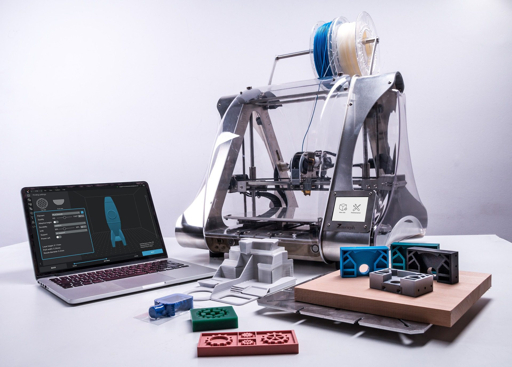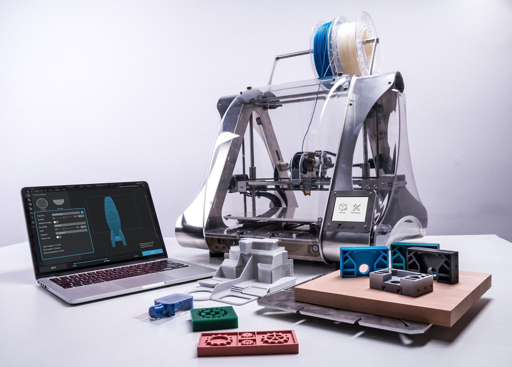
A product prototype should answer a development question, not simply turn a digital file into something physical. These five Derby-facing services combine local design-and-printing provision with wider manufacturing and delivery routes. Their order is unranked and they are not five verified Derby factories. The focus here is physical prototyping and related design support, not a claim that every provider delivers complete product engineering. Confirm the actual producer, process and assignment before commissioning a model or a development run.
Explain what the model needs to demonstrate, the intended use and the decisions that follow. Reading from Scripts Validator can prompt general technology questions, while the producer needs actual dimensions and requirements. A request for a quick prototype is incomplete without knowing whether appearance, fit or functional testing matters. Ask which design and approval work is required before manufacturing begins.
1. 3D Printing Derby
3D Printing Derby publishes CAD design, prototyping and printing services from sketches through detailed models. Ask whether the actual job starts with a concept or a completed file. Those are different assignments. A provider offering both development and printing should identify which revisions and checks are included, with the client approving the design before manufacture. General production-ready language should become specific acceptance requirements rather than a guarantee that every printed model suits the final product’s intended use.
2. SGD
SGD publishes Derby-facing on-demand printing and prototyping support, with design iteration and several production methods described in its wider services. It operates a nationwide route rather than establishing a Derby factory solely through the city page. Ask where the actual model is produced and how file review works. Fast-turnaround language should become an agreed schedule with approval, manufacture and dispatch distinguished, especially where design questions remain unresolved before the prototype can be made.
Suppose a Derby team wants a housing that looks right and fits an existing assembly. A visually convincing model may not answer every fit question. Reading from Server Scheduled can prompt general planning questions, while the producer checks the actual dimensions, purpose and acceptance requirements before proposing the process and material.
3. Protolabs Network
Protolabs Network publishes Derby delivery through a manufacturing network, with online quoting for prototypes and production parts. Its listed printing methods include several approaches suited to different requirements. It is a network route, not one verified local workshop. Ask what the actual order specifies and how the manufacturer and process are selected. A general process table or instant estimate should not replace agreement on design readiness, required finish and the question the prototype is intended to test.
4. Bicester3D
Bicester3D explicitly publishes Derby delivery from an Oxfordshire workshop, with printing, rapid prototyping, scanning and reverse engineering. Ask which of those tasks the actual quotation includes. A scanned object and a production-oriented design can require different work. The page makes delivery and urgency claims that should be confirmed for the particular order. Identify materials, revisions and approval, rather than assume every model qualifies for the same turnaround or that a regional page is a local collection point.
Treat the prototype as a defined learning stage, not automatic validation of the final product. Reading from Tech PR Dir can prompt development questions, while the order should state what is being evaluated. Ask which limitations the selected process has for the actual use and what further work may be needed before a production commitment.
5. Surface Scan
Surface Scan publishes mail-order printing for Derby from its Ramsgate operation, with file upload, quotations and shipping. It is a wider prototyping route rather than a Derby walk-in workshop. Ask what design review is included and what unclear requirements need additional work. A quote based on a file should not be treated as a guarantee for unstated testing conditions. Confirm production, finishing and delivery, with the process if the design changes before or after approval explained before ordering.
Compare the same approved design, quantity and finish. Reading from Bots Verified can prompt general technology questions, but the quotation must establish actual manufacturing requirements. Separate design, printing, finishing and transport so a production price is not mistaken for the complete cost of developing and validating the idea.
Questions before making an enquiry
Can a sketch be submitted first?
Ask whether CAD development is available and priced separately, with approval required before production.
Will every prototype suit functional testing?
Do not assume so. Describe the intended conditions and request the actual material and process limitations.
Are rapid lead times guaranteed?
Confirm the particular manufacture and shipping commitments rather than rely on a general promotion.
Can a sample stage precede a larger run?
Ask what the first model can establish and how changes and acceptance are agreed before further quantities are authorised.
Set the scope before committing
Describe the product question and available design. Request a Derby-facing company’s scoped prototype proposal and confirm production. Compare equivalent outputs, then agree review and acceptance before the model is manufactured.