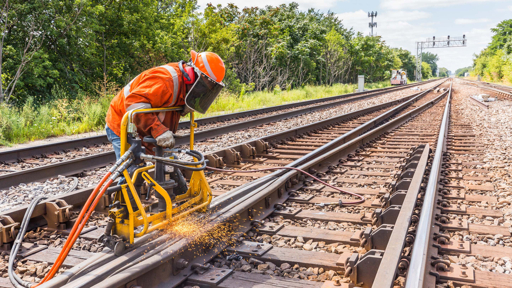
A rolling-stock modification, overhead-line design and component investigation call for different engineering teams. These rail engineering firms in Derby publish distinct capabilities, so begin with the asset and required evidence rather than a generic supplier shortlist. Their numbering is not a safety-performance ranking. A local facility, sector membership or past project does not independently verify approval for every task, and the proposed team must match the actual work.
Keep general reading through Crawl and Create articles outside technical assurance. Define the engineering question, asset owner and acceptance process before requesting proposals.
1. DB ESG
DB ESG is listed at the RTC Business Park and specialises in rolling-stock engineering. Its Rail Forum profile includes electrical and systems work, mechanical design, structural analysis, welding, investigations, digital manufacturing and brake-performance work. That breadth is relevant where a vehicle change crosses several engineering disciplines.
Ask which specialists would deliver the assignment and what evidence they produce. A design recommendation and an accepted installation are different milestones. State the vehicle configuration, constraints and intended approval route before assuming an established consultancy’s capability list answers every interface question.
2. Serco Rail Technical Services
Serco’s Derby technical service advertises testing, diagnosis, materials investigation and non-destructive examination of components. Its published engineering page describes overhead-line and pantograph interaction work, axle testing and metallurgical assessment. Those services make it relevant when the problem requires measured evidence rather than a visual review alone.
Ask for the method, personnel competence and reporting scope appropriate to the asset. Do not treat a technique name as the full assurance plan. Confirm what the findings can establish, what remains outside the inspection and who decides the engineering response.
3. Loram UK
Loram publishes Derby facilities and describes rolling-stock maintenance, overhaul, refurbishment and infrastructure support. Its service page lists systems integration, condition review, life extension, bogie overhaul, corrosion repair and welding. That makes it a relevant enquiry for work requiring practical workshop delivery as well as engineering coordination.
Ask where the proposed work takes place and what access or vehicle movements are required. A workshop’s overall capacity does not confirm availability for your fleet. Request the actual programme, dependencies and acceptance documents rather than infer a delivery slot from the size of the facility.
4. Yellow Rail
Yellow Rail publishes its base at Derby Carriage Works on Litchurch Lane and advertises rolling-stock field services and specialist welding. The onsite-service element is useful when the assignment needs to fit around a vehicle’s existing location and operating programme rather than assume workshop transfer.
Explain the asset condition, worksite and access restrictions at enquiry. Ask how site readiness, supervision and inspection are assigned. A mobile team still needs a defined engineering scope and safe working arrangements; it should not be treated as a substitute for planning because the work happens at your premises.
5. Overhead Line Engineering, part of Egis
Overhead Line Engineering is identified as a Derby-based electrification consultancy acquired by Egis. Egis’ current rail description includes concept and detailed design, staging, assurance and construction support for electrification. The ownership distinction should remain visible rather than present the business as unchanged and independent.
Ask which legal entity and team are being appointed. For work on a live network, interfaces, staging and constructibility should appear in the proposal. A well-presented design is not the entire delivery question if installation, adjacent systems and operational constraints have not been addressed.
Brief rail engineering firms in Derby around acceptance
For an illustrative Derby fleet project, the proposed modification changes a component and its maintenance information. Identify both effects before tendering. Think of the scope like a controlled drawing set: leaving one interface undefined can undermine the usefulness of a technically sound individual sheet.
A feature on Reading Headlines features cannot verify competence or certification. Request current evidence relevant to the task, site and personnel. Distinguish company-wide approvals from the scope of the actual service, and ask how subcontracted disciplines are controlled.
General material through Reach and Read articles is not an engineering acceptance plan. Agree the standards, assumptions, configuration, reviews and deliverables, including what the client supplies. Ask how uncertainty and deviations are recorded so unexpected findings do not quietly change the basis of the work.
Reading Truth Diggers Now updates should remain outside a safety decision. Compare proposals on defined outputs, interfaces and evidence, not hourly rates alone. Establish independent review where required by the project’s arrangements, then identify who owns the final acceptance. The supplier’s delivery does not automatically resolve every responsibility retained by the asset owner or operator.
FAQs
Do all five firms perform the same work?
No. The shortlist distinguishes design, testing, maintenance, field services and electrification rather than treating rail engineering as one interchangeable service.
Does a Derby address prove workshop capacity?
No. Confirm the relevant site, equipment, people and availability for the proposed assignment.
Should a fixed price be preferred?
Compare scope and assumptions first. A fixed price is not meaningful if required evidence or client dependencies remain undefined.
What belongs at handover?
Specify the accepted records, drawings, test results and maintenance information applicable to the job, with outstanding actions and ownership made clear.
Select the team that can supply the required evidence
Give two suitable Derby firms the same asset information and acceptance brief. Compare competence, method and deliverables before commercial totals. Agree interfaces and review points, then authorise work through the project’s proper controls rather than rely on reputation as a substitute for assurance.