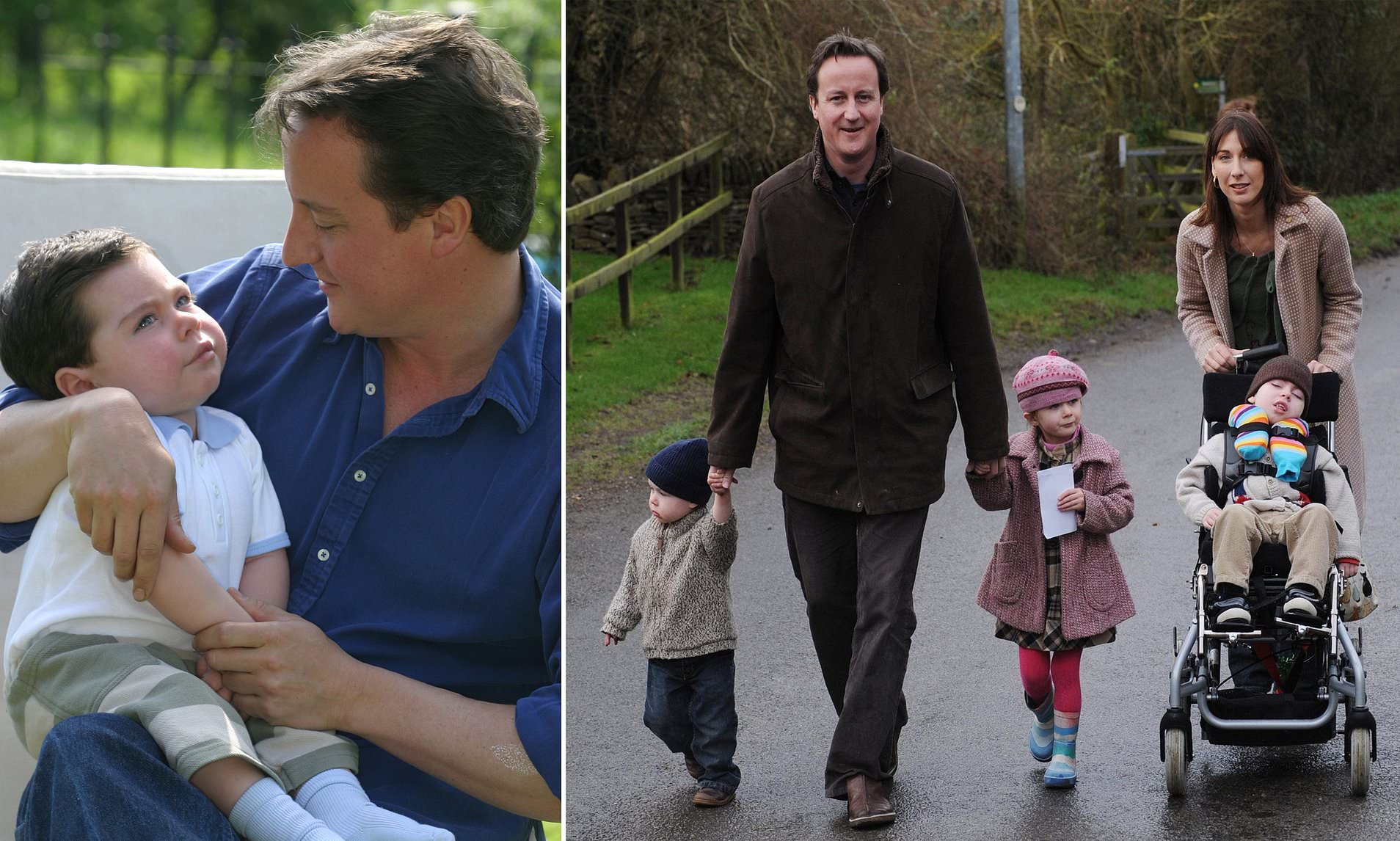
The lifecycle of political privacy tells a story that most analyses miss. When search interest emerges around David Cameron children ages news, it captures a moment where past leadership intersects with ongoing public memory and evolving family circumstances.
What separates former political figures from current ones is the shift in both relevance and vulnerability. The attention patterns change, the stakes evolve, but the fundamental tension between public interest and private boundaries remains.
Understanding this transition reveals how political reputation operates across career stages and why certain details maintain persistent search volume long after active political service ends.
How Post-Political Life Reshapes Privacy Expectations
The framework shifts fundamentally once someone leaves office. Cameron no longer carries the immediate security apparatus or media management infrastructure of active leadership, but public recognition and interest don’t disappear proportionally.
This creates an unusual dynamic. There’s less ability to control narrative, less institutional support for privacy management, but ongoing attention from audiences who remember political tenure and remain curious about subsequent life.
From a practical standpoint, this means that family details that were carefully managed during active service become harder to protect as normal life resumes. School runs, community presence, and everyday activities create exposure that structured political life minimized.
The Long Tail Of Political Attention And Memory
Here’s what actually works in understanding these patterns: recognizing that political attention doesn’t end cleanly. It fades gradually, spiking around specific trigger events, then settling into a baseline of ongoing curiosity.
For Cameron, those spikes correlate with political anniversaries, policy retrospectives, or moments when current events echo past decisions. Family details get revisited as part of constructing complete historical narratives.
The reality is that anyone who held significant power remains a reference point. Their family circumstances, life choices, and subsequent paths become data points in understanding how political careers age and what happens after the spotlight dims.
Tragedy And How Personal Loss Intersects Public Narrative
Look, the bottom line is that some family stories transcend normal privacy boundaries because they intersect with universal human experience. Cameron’s experience with the loss of a child became public not through choice but through the nature of the tragedy itself.
This fundamentally changed the calculus around family privacy. It created genuine empathy, but it also established a precedent of public awareness that couldn’t be easily reversed.
What I’ve learned is that when personal tragedy becomes part of public narrative, it reshapes all subsequent privacy decisions. There’s both more understanding and more ongoing interest, creating a complicated legacy that affects the entire family.
Legacy Construction And Why Family Details Matter Retrospectively
The data tells us that historical reassessment drives significant search volume around former political figures. As political contexts change, past decisions get reevaluated, and family details become part of that reassessment.
People search for ages, timelines, and family structure as they construct narratives about what shaped decision-making, what priorities drove policy choices, and whether personal experience aligned with political positions.
From a strategic perspective, this means that privacy decisions made during active political life create permanent records that get reinterpreted across different political moments and cultural contexts.
The Economics Of Sustained Public Interest
I’ve seen this play out across different sectors: fame has residual value, but it also has residual cost. Ongoing recognition brings opportunities, but it also means ongoing exposure and continued vulnerability.
For political families specifically, the tradeoff includes children growing up with persistent public awareness, schools and communities managing ongoing media interest, and private milestones potentially becoming public reference points.
What’s interesting is how this affects next-generation choices. Children of former political leaders navigate unique constraints around their own careers, relationships, and public presence.
The reality is that searches for terms like David Cameron children ages news represent the long tail of political attention. They reflect how audiences process historical leadership, construct complete narratives about decision-makers, and satisfy ongoing curiosity about lives that once occupied the center of public discourse. The patterns reveal as much about collective memory and narrative construction as they do about any individual family’s circumstances.